
Tell Us About Your Project. We'll Schedule the Estimate.
We will get back to you as soon as possible.
Please try again later.
Copper Gutters in Branson
The Gutters That Get Better Looking With Age.
A copper gutter installed correctly is a piece of architectural craft that lasts 50 to 100 years and gets more beautiful with every season. The bright copper of the install fades to warm brown over the first few years, then develops the green verdigris patina that defines copper roofs and gutters on historic homes across the country. Copper gutters in Branson aren't the right choice for every house. They are the right choice when you're building or restoring a home that deserves materials with the same lifespan as the architecture, when you plan to own the property for the long haul, or when the look of weathered copper is something you'd actually love living under. Here's how we approach the install.





We Hear You
Most Copper Gutter Quotes Don't Tell You What You're Actually Buying.
The copper gutter market has a quiet problem. Several "copper" gutter products on the market aren't actually solid copper. They're copper-coated steel or copper-toned aluminum, which look right at the install but never develop the real patina, fail at the joints within 10 to 15 years, and don't deliver the longevity that's the actual reason to buy copper in the first place. The proposal might say "copper gutters" without specifying whether it's solid copper, what gauge or ounce-weight is being installed, or how the seams are being joined. A homeowner paying for a copper install often doesn't realize they're getting a product that's only copper on the surface.
The other issue is install quality. Copper gutters that perform for a century aren't just made of better material than aluminum. They're also installed with different techniques. Soldered seams (where copper sections are joined with melted solder rather than mechanical connectors and sealant) are the traditional install method and dramatically more durable than the connector-and-sealant approach used on aluminum gutters. A contractor who installs copper the same way they install aluminum is missing the technique that makes copper actually last a century. The gutters will look right for the first decade and then start failing at the seams, just like aluminum would, except at three times the cost.
That's the gap a real copper gutters in Branson installation should fill. Solid copper material with documented ounce-weight specification (16-ounce or 20-ounce, not "copper" without further detail). Soldered seams at every joint where the install allows. Hidden hangers designed for copper's thermal expansion characteristics. Proper drainage detailing that accounts for copper's longer service life and the cost of fixing problems later. And realistic expectations about cost, install timeline, and what the gutters will actually look like through their patina development.
Our Roots
A Message From Tyler Arnold
I'll start with the part most copper gutter conversations skip. Copper is the right call for a specific kind of project: a custom home or historic restoration where the materials are expected to outlast the original owner, an architectural-grade install where the look of weathered copper is genuinely desired, or a lake house build where the long-term value calculation favors a premium material. Copper is not the right call when the budget is tight, when the house is going to be sold in 5 years, or when the homeowner doesn't actually want the patina that copper will develop. I tell every potential copper customer at the estimate whether their project fits the category or not. Most who come to us asking about copper are right that they want it. A small number aren't, and we tell them straight.
Here's how Big Chief handles copper gutters. We install solid copper (typically 16-ounce for residential, 20-ounce for premium architectural projects), with documented material specification in the proposal so you know exactly what's going on your house. We solder seams at every joint where the install allows, using lead-free solder appropriate for residential applications. We form gutters on-site to the exact length of each run where possible. We use hidden hangers designed for copper's thermal expansion characteristics. We install copper-compatible downspouts that match the gutter material. And we photograph every step of the install.
The other thing I'll tell you straight is the long-term value math. A 16-ounce copper gutter installed correctly lasts 50 to 100 years. The same house with aluminum gutters will go through 2 to 4 complete gutter replacements over that same period, each requiring tear-off, disposal, and full re-install. The total lifetime cost of multiple aluminum systems frequently approaches or exceeds the upfront cost of one copper install. The math works in favor of copper for long-tenure owners. The math doesn't work for short-term ownership. We walk through the actual numbers for your specific situation at the estimate. If you're considering copper gutters in Branson, call us.
Our Gutter Services
Other Gutter Services We Handle
Copper installation is one part of what we do for gutters across Branson, Hollister, Forsyth, Ozark, and the surrounding service area. Here's the full lineup of gutter services. Tap any card to learn more.
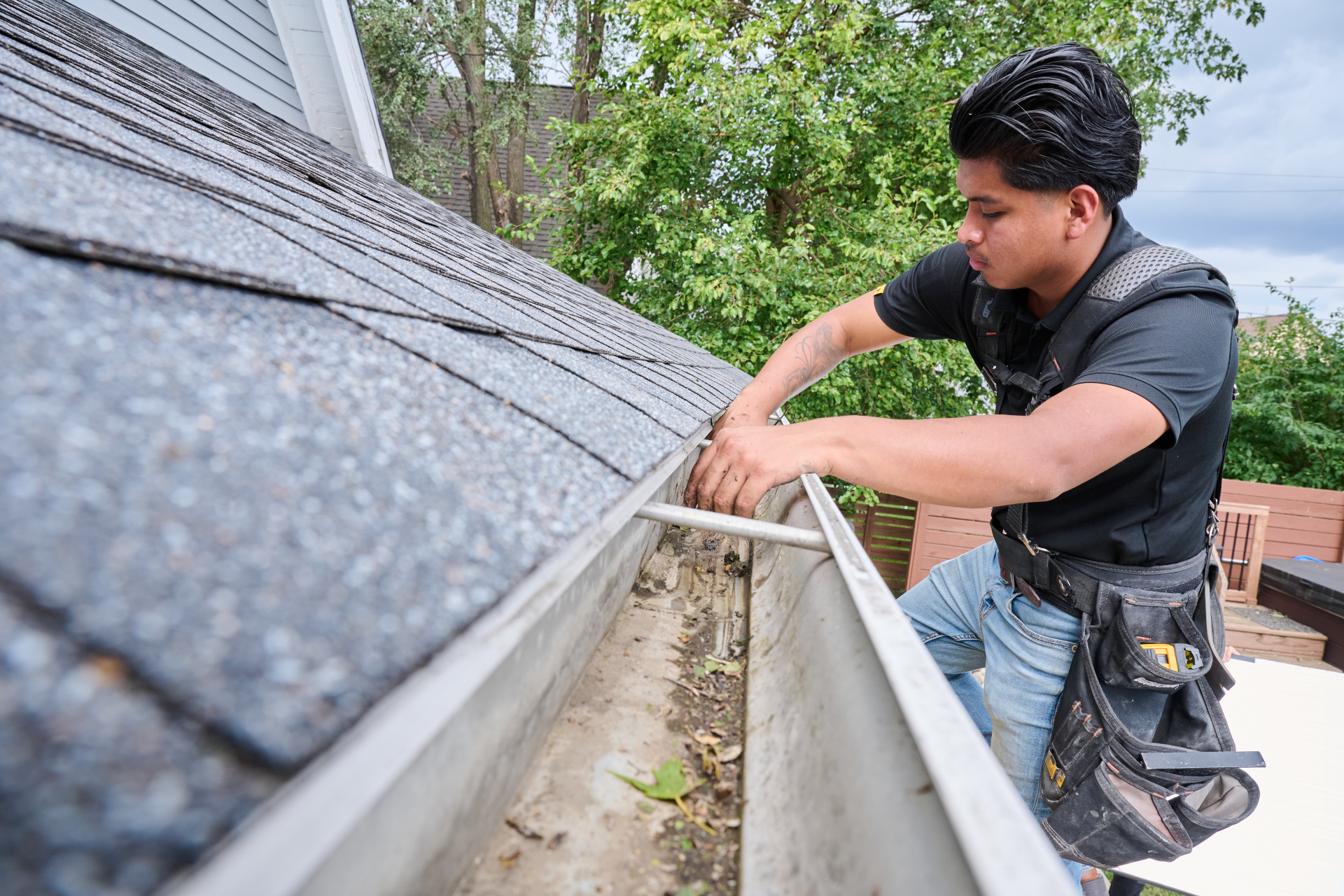
Gutter Cleaning
Twice-yearly gutter cleaning with downspout flow checks and photo documentation. The cheapest line item in protecting your roof, fascia, foundation, and basement.
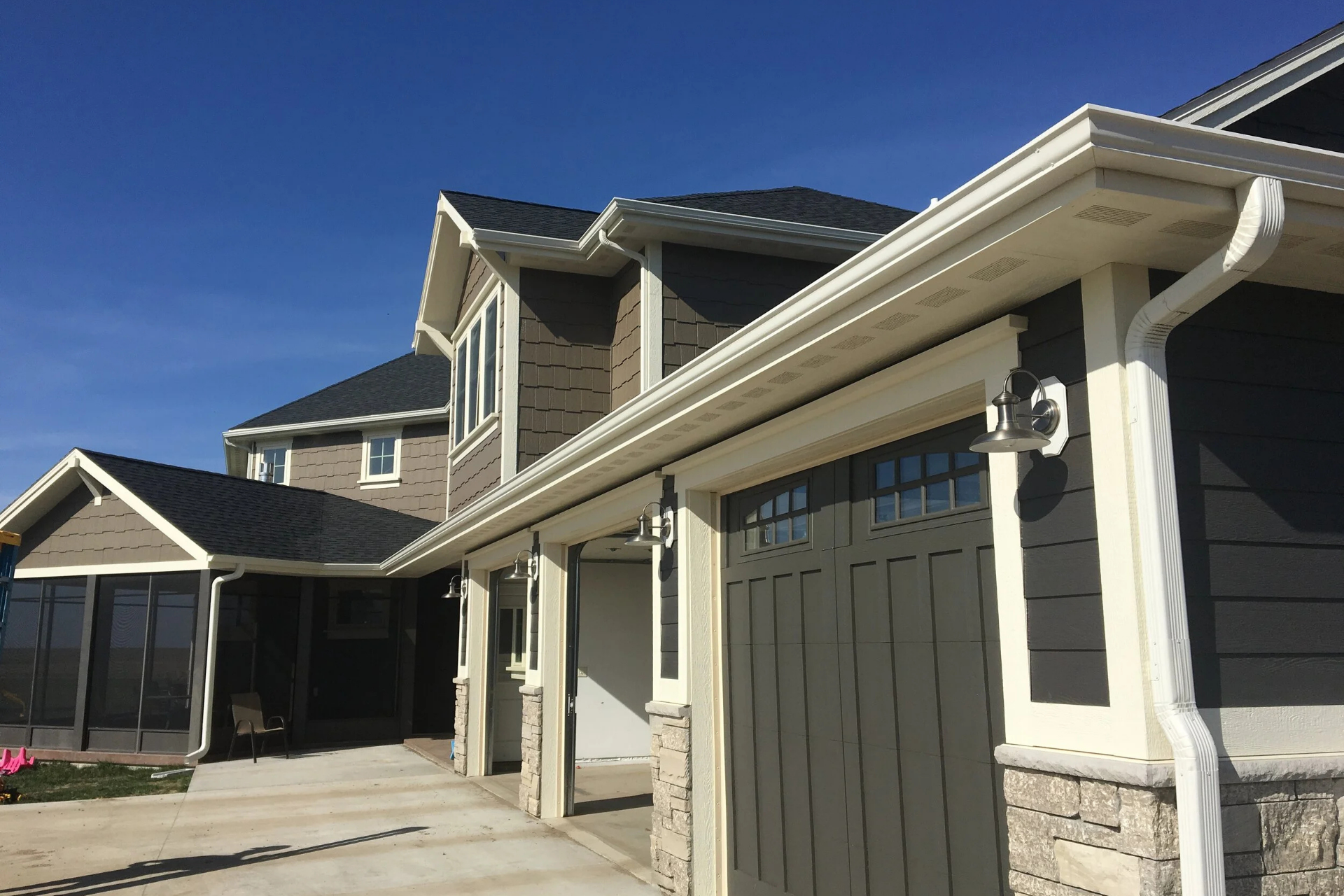
Gutter Installation
New gutter installation for new construction, additions, or full replacement. Aluminum and copper options in multiple profiles. Real measurements, real flow capacity, and real install standards.
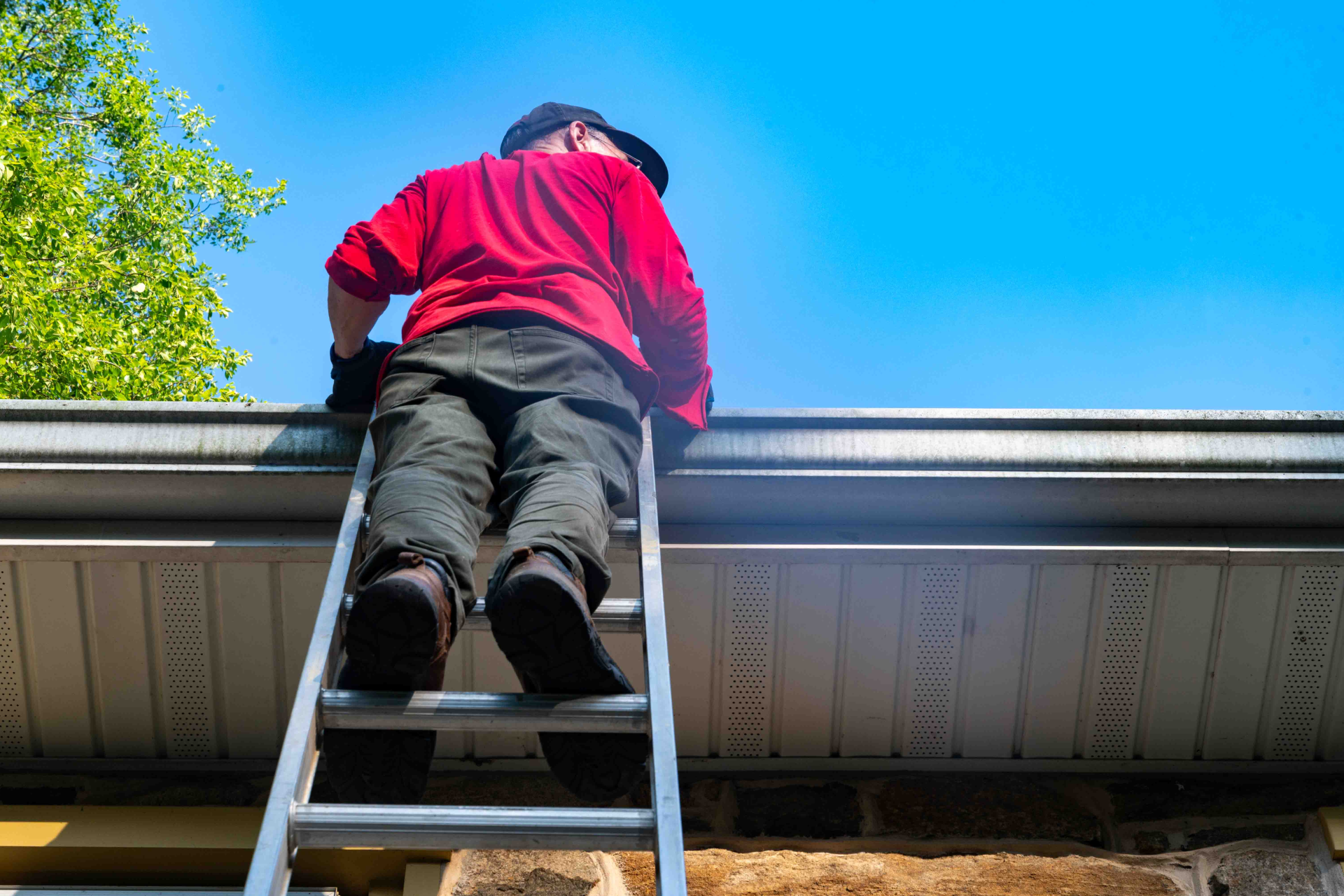
Gutter Repair
Targeted gutter repair work. Sagging gutters, separated seams, failed hangers, downspout reattachment, drip edge correction. Honest assessment of whether repair or replacement makes more sense for your gutters.
Gutter Replacement
Full gutter replacement when the existing system has reached end of life. New seamless gutters in multiple materials, sized correctly for your roof's actual water flow.
Gutter Guard Installation
Gutter guard systems that reduce cleaning frequency dramatically. Multiple product options matched to your tree coverage, gutter profile, and budget. Real assessment of which guard system fits your situation.
Seamless Gutters
Custom-formed seamless gutters made on-site to the exact length of your home. Eliminates seam leaks, reduces failure points, and looks dramatically better than sectional gutters. The premium standard for residential gutters.
Copper Gutters
Premium copper gutters for higher-end homes, historic properties, and architectural-grade installations. Long service life, natural patina development, and a look that ages beautifully with the house.
Gutter Cleaning
Twice-yearly gutter cleaning with downspout flow checks and photo documentation. The cheapest line item in protecting your roof, fascia, foundation, and basement.
Gutter Installation
New gutter installation for new construction, additions, or full replacement. Aluminum and copper options in multiple profiles. Real measurements, real flow capacity, and real install standards.
Testimonials
What Your Neighbors Are Saying
Questions Branson Homeowners Ask About Copper Gutters
How much do copper gutters in Branson cost installed?
Most residential copper gutter installations run $25 to $50 per linear foot, depending on home size, profile (half-round costs more than K-style), ounce-weight (16-ounce vs 20-ounce), and install complexity. A typical Branson home with 150 to 250 linear feet of gutter falls between $3,750 and $12,500 for a copper install. The premium over aluminum is significant (roughly 3 to 4 times the cost), but the lifetime cost math favors copper for owners planning to stay 15-plus years in the house.
How long do copper gutters last?
A properly installed 16-ounce copper gutter system typically lasts 50 to 100 years. The metal itself can last longer than the house in some cases. The longest-lasting failure modes on copper gutters are usually around hangers, downspout connections, or solder joints that need occasional service over multi-decade timeframes. The actual copper material is exceptionally durable. Most copper gutter replacements happen because of structural building changes (rebuilds, renovations) rather than copper failure.
What does the copper patina look like over time?
The patina develops in stages. Years 1 to 2: bright copper, the new-penny color most people associate with fresh copper installs. Years 2 to 5: warm brown as the surface oxidizes. Years 5 to 10: darker brown verging toward chocolate. Years 10 to 25: the green verdigris patina starts developing in patches. Years 25-plus: the full green-blue patina that defines historic copper. Different climates and exposures accelerate or delay this progression. The Ozarks humidity tends to accelerate patina compared to dryer climates.
What's the difference between solid copper and copper-coated gutters?
A meaningful difference, and one that's easy to miss in a proposal. Solid copper gutters are 100 percent copper through the full thickness of the material. Copper-coated products use a base material (steel or aluminum) with a thin copper plating or coating on the visible surface. Coated products look the same as solid copper at install but never develop the proper patina, fail at the joints far sooner, and don't deliver the longevity that's the actual reason to buy copper. Our copper installs are always solid copper, with ounce-weight specified in the proposal.
What ounce-weight copper do you install?
16-ounce copper is the residential standard for most installations. 20-ounce copper is the premium grade for architectural projects, larger commercial applications, or homes where the highest possible longevity is the priority. The "ounce-weight" refers to the weight of copper per square foot, which corresponds to material thickness. Heavier copper is more durable but more expensive and harder to form on-site. We walk through which ounce-weight fits your project at the estimate.
What's a soldered seam, and why does it matter?
Soldered seams are the traditional install method for copper gutters, where two copper sections get joined by melting solder into the joint to create a continuous metal connection. Aluminum gutters use mechanical connectors with sealant, which is faster but less durable. Soldered copper seams are dramatically more durable than aluminum-style connections, which is part of why copper gutters last decades longer. Real copper installation requires the skill and equipment to solder copper correctly. A contractor installing copper without soldering seams is missing the technique that makes copper actually deliver its expected service life.
Half-round or K-style copper?
Half-round is the traditional copper profile, with a rounded bottom that matches the look most people associate with historic homes and architectural-grade installs. K-style copper has the more modern crown-molding profile that matches most residential aluminum gutters. Half-round typically costs more than K-style because of the more involved forming process and the specialized hangers required. The aesthetic call depends on your house style: half-round usually looks more authentic on craftsman, Victorian, historic, and traditional homes; K-style fits more standard residential architecture.
Do copper gutters need different maintenance than aluminum?
Yes, but less of it. The core maintenance (gutter cleaning to remove debris) is the same. The differences are in what doesn't need to happen. Copper gutters don't need re-sealing at joints (soldered seams don't degrade like sealant). They don't need re-painting (copper develops its patina naturally). They don't need replacement at 20 to 30 years like aluminum does. The trade-off is that occasional solder joint service over decades is a more specialized job than aluminum seam re-sealing, requiring a contractor who actually knows how to work with copper.
Will copper gutters work with my current aluminum downspouts or other roof drainage?
Generally not, and the issue is metal compatibility. Mixing copper with aluminum or steel creates galvanic corrosion at the contact points, which can accelerate the failure of the less-noble metal (usually aluminum or steel in these pairings). Copper installations use copper-compatible downspouts (usually also copper), copper-compatible hangers, and copper-compatible fasteners. We replace mixed components during the install rather than trying to integrate copper into an existing aluminum system, which is one of the practical reasons copper installs typically happen during new construction or full system replacement.
How do I find a copper gutter installer I can actually trust?
Save yourself a headache. Ask these five questions before signing with any copper installer:
- Will the gutters be solid copper, and what ounce-weight is documented in the proposal?
- Will the seams be soldered or mechanically connected with sealant?
- Will the downspouts and hangers be copper-compatible to avoid galvanic corrosion?
- Will the install crew be your employees or subcontracted to a metalworker shop?
- What does your workmanship warranty cover, and for how long, in writing?
If a contractor stumbles on any of those (especially the first two), the install isn't going to deliver what copper is supposed to. As your copper gutters in Branson team, we answer all five before you've even agreed to an estimate. And we'll tell you straight if copper isn't the right call for your specific situation, even though it costs us the higher-ticket sale.