
Tell Us About Your Project. We'll Tell You If Standing Seam Fits.
We will get back to you as soon as possible.
Please try again later.
Standing Seam Metal Roofing in Branson
The Roof That Outlives the Mortgage and the Truck.
You've seen standing seam on the new custom builds along Table Rock Lake. You've seen it on the modern farmhouses going up in Branson West. You've maybe seen it on the place your spouse keeps sending you links to ("just look at it"). Standing seam metal roofing in Branson is the premium metal roof system, with hidden fasteners, locked seams, and a lifespan that genuinely outlasts everything else you can put on a house. Here's how it works, why it costs what it costs, and how to know if it's the right call for your build.



We Hear You
Most Standing Seam Quotes Aren't Apples to Apples.
The biggest mistake homeowners make with standing seam metal roofing is comparing quotes on price alone. Two contractors can both call their system "standing seam," and one quote can be 40 percent lower than the other for what looks like the same product. The difference shows up years later when one roof is still flawless and the other one is leaking at the seams, oil-canning visibly, or losing panels in storms because the wrong attachment system was used.
The variables that change what you're actually buying are easy to miss if nobody walks you through them. There's the panel gauge (24 gauge is residential-premium, 26 gauge is the budget version, and they perform very differently in hail and wind). There's the seam type (mechanical lock is what you want on residential, snap-lock is acceptable on lower-pitch roofs, nail-flange is a hybrid that contractors love because it installs faster but doesn't last as long). There's the finish (Kynar 500 is the premium coating, polyester is the cheap one, and the difference shows up in 15 years when the cheap one starts chalking and fading). And there's the panel forming process (job-site roll-formed by the installing crew gives you better fit and fewer transport dents; factory pre-formed is cheaper but has more potential for damage in delivery).
The other thing that varies wildly is the actual installer. Standing seam is unforgiving. The hidden clip system, the thermal movement accommodation, the seam crimping or mechanical seaming, the flashing details around penetrations: every step has to be done correctly or the roof fails in a way that's expensive to fix. A standing seam install done by people who learned it last year is not the same product as one done by people who've installed hundreds.
Our Roots
A Message From Tyler Arnold
I'll start with the question every standing seam buyer should ask first. Is standing seam actually the right roof for your house, or did somebody just show you a beautiful photo of one on Pinterest? Both are valid reasons to be on this page. But the answer to "is it right for me" comes from looking at your specific roof and your specific budget and your specific plans for the house, not from a salesperson trying to close a job this month.
When standing seam IS the right call, here's how Big Chief handles it. We install premium 24 gauge panels with Kynar 500 finishes from established manufacturers, not the off-brand panels that show up in private-label boxes. We use mechanical lock or snap-lock seams depending on your roof pitch and exposure (we explain which one and why before we quote anything). We use concealed clip attachment systems that allow proper thermal movement, so your panels can expand and contract with temperature changes without backing out fasteners or stressing the seams. We can job-site roll-form panels for projects where transport damage or panel length is a concern, or factory-order pre-formed panels when that's the smarter call. We photograph every layer of the install: underlayment, high-temp ice and water shield, clip installation, panel installation, seam mechanical lock, flashing, and the final result.
The other thing that matters with standing seam is the people on your roof. Our install crews are experienced specifically on standing seam, not just generic metal. We don't subcontract these jobs out to whichever crew was available that week. And we back the workmanship with a written warranty separate from the manufacturer warranty on the panels and the finish. If you're considering standing seam metal roofing in Branson, call us. We'll walk through the panel options, the seam types, the gauge choices, and tell you straight whether the system fits your house and your budget.
Our Roof Replacement Services
Roof Replacement Options We Offer
Standing seam is one of several roof systems we install across Branson, Hollister, Forsyth, Ozark, and the surrounding service area. Tap any card to learn more.
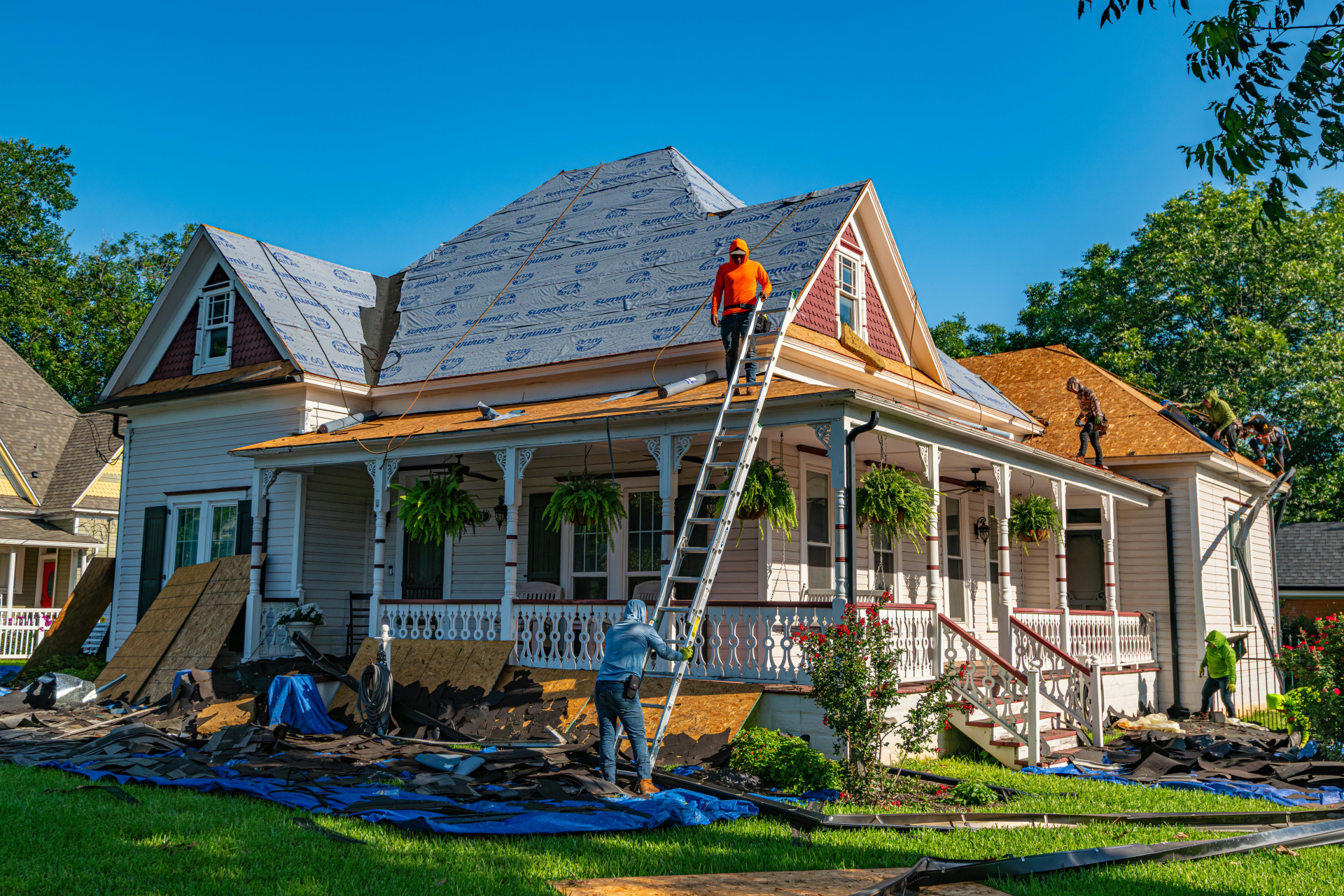
Roof Replacement
Roof replacement in Branson is the biggest single check you'll write for your house in a decade, and the way it's done matters more than the price tag on the proposal.
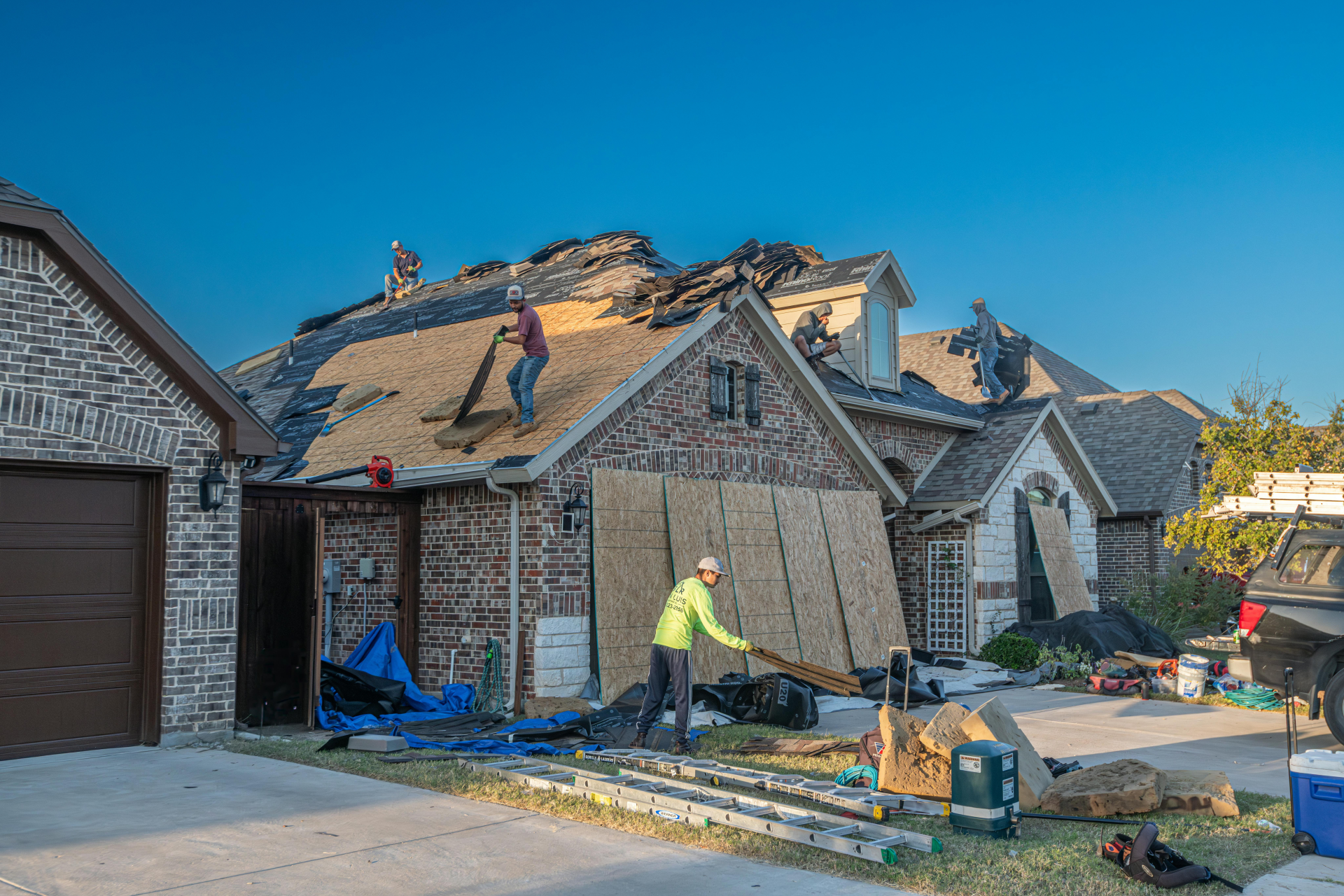
Roof Installation
Full installation of any roof system we offer. New construction, full replacement, or tear-off and rebuild. Photo documentation of every layer, real warranties, and crews that actually work for us.
TAMKO Shingles
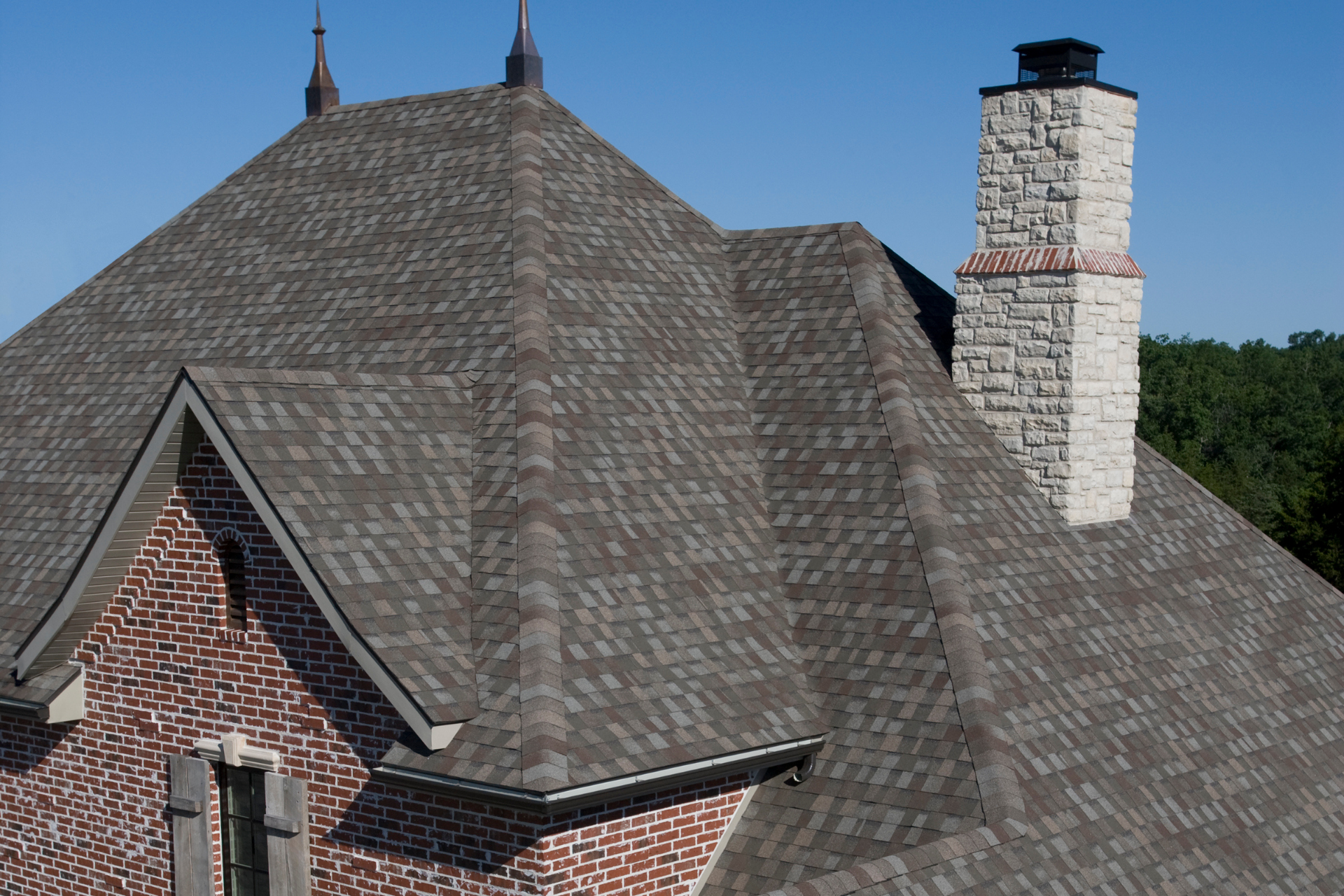
The full TAMKO line, installed by TAMKO Platinum certified crews. Real manufacturer warranties, real install standards, and real shingles built to handle Missouri weather. Branson's hometown shingle brand.
TAMKO Titan XT Shingles
The architectural standard. Heavier, longer-lasting, and better-looking than 3-tab shingles, with a Class A fire rating and strong wind warranty. The everyday choice for most Branson homes.
TAMKO StormFighter Flex Shingles
Built for wind. SBS-modified asphalt that flexes instead of cracking when storms hit. The right call for homeowners who've already seen one wind event do damage and don't want to live through a second one.
TAMKO HailGuard Shingles
The impact-resistant upgrade. Class 4 impact rating, real hail warranty, and meaningful insurance premium discounts on most policies. The smart pick if hail is what keeps you up at night.
Metal Roofing
Built to outlast a mortgage. Standing seam, exposed fastener, and corrugated metal in multiple colors and finishes. Reflects summer heat, sheds snow, and handles Ozarks weather like the material it was designed to be.
Standing Seam Metal Roofing
The premium metal option. No exposed fasteners on the panel face, hidden clips, locked seams. The longest-lasting metal roof system you can put on a house. 40 to 70 year lifespan when installed right.
Brava Roof Tiles
Synthetic tile that looks remarkably like real clay or concrete at a fraction of the weight. Strong warranties, lower installation costs, and a premium look without the premium maintenance.
Brava Tile Roof
Full Brava tile roof installations for new construction and full replacements. Multiple profiles, multiple colors, multiple finishes. The premium look of Mediterranean tile without the structural concerns.
Brava Slate Roof
Synthetic slate that captures the look of historic Vermont or Pennsylvania slate without the weight, cost, or sourcing issues. A premium roof system for higher-end homes that want the classic look.
Brava Shake Roof
The cedar shake look without the rot, the warp, or the fire risk. Synthetic shake tiles in multiple finishes for homeowners who love the rustic look but want the lifespan of a modern roof.
Roof Replacement
Roof replacement in Branson is the biggest single check you'll write for your house in a decade, and the way it's done matters more than the price tag on the proposal.
Roof Installation
Full installation of any roof system we offer. New construction, full replacement, or tear-off and rebuild. Photo documentation of every layer, real warranties, and crews that actually work for us.
Testimonials
What Your Neighbors Are Saying
Questions Branson Homeowners Ask About Standing Seam Metal Roofing
How much does standing seam metal roofing in Branson cost?
Most residential standing seam installations run between $14 and $22 per square foot installed, depending on panel gauge, finish, complexity, and accessories. For an average-sized Branson home, expect $25,000 to $55,000. Premium panel finishes like Kynar 500, custom colors, complex roof lines, and higher gauges all push the number up. Standing seam costs roughly two to three times the price of a quality architectural shingle install, with three to four times the expected lifespan.
What's the difference between standing seam and other metal roof systems?
Standing seam has no exposed fasteners on the panel face. Hidden clips attach to the roof deck, and the panels lock together at raised seams that get either snapped or mechanically crimped closed. Exposed-fastener systems (sometimes called screw-down, R-panel, AG-panel, or corrugated) have visible screws on the panel surface that need replacement every 12 to 20 years. Standing seam is more expensive upfront, lasts dramatically longer, and looks cleaner. Exposed fastener is more affordable upfront and more common on barns, shops, and budget residential.
What's the difference between snap-lock and mechanical lock seams?
Snap-lock panels click together at the seam by hand or with light pressure. Faster to install, slightly less weather-tight, fine for steeper-pitch roofs (3:12 and above). Mechanical lock panels require a seaming tool that crimps the seam closed after the panels are placed. More weather-tight, required for lower-pitch roofs, more labor-intensive to install. For most Branson residential standing seam projects, we recommend mechanical lock when the pitch and budget allow.
What's a panel gauge and which one should I pick?
Panel gauge is the thickness of the metal sheet. Lower number means thicker metal. 22 gauge is the heaviest residential standard. 24 gauge is the residential premium standard and what we recommend for most Branson projects. 26 gauge is the budget option and what you'll find on cheaper quotes. The gauge matters in hail resistance, wind performance, and oil-canning tendency. 24 gauge is a noticeable upgrade over 26 gauge in real-world performance and worth the modest cost difference on most projects.
What's Kynar 500 and is it worth the upgrade?
Kynar 500 is the premium paint coating standard for metal roofing. It's a fluoropolymer (PVDF) finish that resists fading, chalking, and corrosion far better than the polyester or silicone-modified polyester coatings used on budget metal. Kynar typically carries a 25 to 30 year finish warranty, where polyester might carry 5 to 10. For standing seam, Kynar is almost always worth the upgrade, especially in the Ozarks where UV exposure is constant and seasonal temperature swings stress the coating system.
How long does standing seam metal roofing last?
A properly installed standing seam roof with 24 gauge panels and Kynar 500 finish should last 40 to 70 years. The metal itself can last longer than that. The components that typically need attention before the panels do are sealant at flashing joints (every 15 to 25 years), pipe boots (every 10 to 20 years), and occasional fastener service on clip systems if any work loose. A standing seam roof outlasts every other residential roof system you can buy.
Will standing seam work on my house style?
Standing seam looks great on a wider variety of homes than most people realize. It's a natural fit for modern, contemporary, farmhouse, craftsman, and lake-house custom builds. It works on traditional ranch homes when the panel profile is chosen carefully (narrower panels and lower seams look more traditional, wider panels with taller seams read more modern). It can look out of place on heavily ornate Victorian or strict Mediterranean styles, where shingle or tile usually fits better. We bring samples to the kitchen table so you can see the actual panel profiles on your house.
Does standing seam help with insurance and energy costs?
Often, yes. Most insurance carriers offer discounts for Class A fire-rated and Class 4 impact-rated roofing, which most standing seam systems qualify for. Reflective cool-roof finishes (typically Kynar in lighter colors) can lower summer attic temperatures by 20 to 40 degrees, which reduces air conditioning load. The energy savings vary by house, climate exposure, and panel color choice, but they're real and add up over decades.
Can standing seam be installed over existing shingles?
Technically yes, practically no. We almost always recommend a tear-off before installing standing seam. The reason is that standing seam clip systems perform best when fastened to clean decking, the underlayment requirements for metal are different than for shingles, and any decking issues hidden under the existing shingles need to be addressed before a 50-year roof system goes on top. The extra upfront cost of tear-off is small compared to the lifetime value of the roof underneath being done correctly.
How do I find a standing seam installer I can actually trust?
Save yourself a headache. Ask these five questions before you let anyone install your standing seam roof:
- How many standing seam roofs has your crew installed in the last two years?
- What gauge, finish, and seam type are you quoting, and why?
- Will the install crew be your employees or subcontractors?
- Do you job-site roll-form panels or factory order them, and which is right for my project?
- What does your workmanship warranty cover, and for how long, in writing?
If a contractor stumbles on any of those, especially the first or fourth question, they probably don't have the experience to do standing seam right. As your standing seam metal roofing in Branson team, we answer all five before you've even agreed to a quote. And if you bring us an identical scope at a lower price from a licensed local roofer doing the same panel gauge, finish, and seam type, we match it plus hand you $250 cash for finding them.